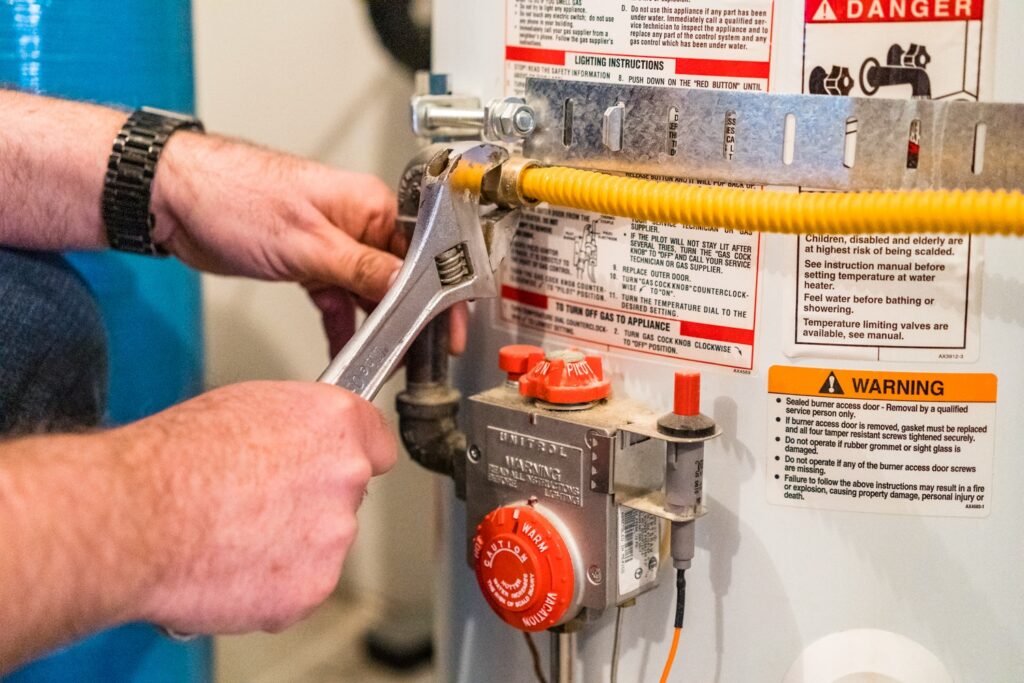
Water heater maintenance is essential for every Houston homeowner. Your water heater works hard every day to provide hot water for showers, dishes, laundry, and more. Most Houston homeowners do not think about their water heater until it stops working, but regular maintenance can extend its lifespan, improve efficiency (the U.S. Department of Energy notes that water heating is the second-largest energy expense in most homes), and help you avoid expensive emergency repairs. Here are the essential water heater maintenance tips every homeowner should know.
Flush Your Water Heater Tank Annually
Over time, sediment from Houston’s hard water builds up at the bottom of your water heater tank. This sediment reduces heating efficiency and can cause rumbling or popping noises. Flushing the tank once a year removes this buildup and helps your water heater run more efficiently. To flush your tank, turn off the power or gas, connect a garden hose to the drain valve at the bottom, and let the water run until it comes out clear. If you are not comfortable doing this yourself, call Texas Premier Plumbing for professional water heater maintenance.
Check the Temperature and Pressure Relief Valve
The temperature and pressure relief valve, also called the T&P valve, is a critical safety feature on every water heater. It releases pressure if the water temperature or pressure gets too high, preventing a potentially dangerous situation. Test this valve at least once a year by lifting the lever and letting it snap back. You should hear water flowing into the drain tube. If the valve does not release water or continues to drip after testing, it needs to be replaced by a licensed plumber.
Set the Right Temperature
Many water heaters come from the factory set at 140 degrees Fahrenheit, but the Department of Energy recommends setting it to 120 degrees. This lower temperature reduces the risk of scalding, slows mineral buildup and corrosion in your pipes, and can save you money on energy costs. Adjusting the thermostat is a simple task that can be done on the front of most gas water heaters or behind the access panel on electric models.
Inspect the Anode Rod
The anode rod is a metal rod inside your water heater tank that attracts corrosive elements in the water, protecting the tank from rusting. Over time, the anode rod corrodes and needs to be replaced. Check the anode rod every two to three years by unscrewing it from the top of the tank. If it is heavily corroded or less than half an inch thick, it is time for a replacement. A new anode rod costs much less than replacing an entire water heater.
Know the Signs Your Water Heater Needs Professional Service
Even with regular maintenance, water heaters eventually need professional attention. Call Texas Premier Plumbing at 713-955-1919 if you notice any of these warning signs: inconsistent water temperature, rusty or discolored hot water, strange noises from the tank, water pooling around the base, or a significant decrease in hot water supply. Our experienced Houston plumbers can diagnose the issue and recommend whether a repair or water heater replacement is the best option for your home.
When to Replace Your Water Heater
A typical tank water heater lasts 8 to 12 years. If your unit is approaching or past that age and requires frequent repairs, replacing it with a new high-efficiency model or a tankless water heater may save you money in the long run. Texas Premier Plumbing offers free estimates on water heater installation and can help you choose the right unit for your household size and hot water needs. Contact us today to schedule a consultation.